
TABLE OF CONTENTS
-
Introduction: Why Join the U.S. Navy?
-
Navy Structure & Mission Overview
-
Requirements to Join the U.S. Navy (2026 Update)
-
ASVAB Scores & Rating Qualifications
-
Navy Medical Standards & MEPS Processing
-
Navy Physical Fitness Standards (PFA & Swim Requirements)
-
Step-by-Step Navy Recruitment Process (2026)
-
Navy Boot Camp — Great Lakes: Full Breakdown
-
Enlisted Career Paths & Navy Job Categories
-
Navy Pay Structure, Allowances & Benefits
-
Becoming a Navy Officer: Full Paths Explained
-
Navy Reserve Opportunities
-
Life in the Navy: Housing, Deployments & Work Routine
-
Tips for Success — How to Maximize Your Navy Career
-
Conclusion
1. Introduction: Why Join the U.S. Navy?

Key Reasons People Choose the Navy
-
Global Travel: Sailors operate in Europe, Middle East, Pacific, and beyond.
-
Advanced Training: Nuclear engineering, aviation, cyber warfare, medicine, and more.
-
Stable Income & Benefits: Tax-free housing, full medical coverage, bonuses, and tuition funding.
-
Career Growth: Over 140 enlisted ratings and numerous officer career paths.
-
Elite Units: SEALs, Navy Diver, SWCC, EOD, Submarine Service, Aviation.
If you’re interested in technology, leadership, and adventure, the Navy is among the best military branches to join.
2. Navy Structure & Mission Overview


The U.S. Navy is structured into multiple warfare communities:
• Surface Warfare
Destroyers, cruisers, carriers, and amphibious ships.
• Submarine Force
Ballistic missile submarines (SSBN), attack submarines (SSN), and guided missile subs (SSGN).
• Naval Aviation
Fighter jets (F/A-18), helicopters, surveillance aircraft, drones.
• Special Warfare
Navy SEALs, SWCC, EOD.
• Information Warfare
Cyber operations, intelligence, cryptology, networks.
• Expeditionary Warfare
Logistics, Seabees (construction battalions), maritime security.
• Medical Corps
Hospital corpsmen, nurses, doctors.
• Supply Corps
Logistics, finance, contracting, supply chain.
Understanding the Navy’s structure helps you determine which path fits your career goals.
3. Requirements to Join the U.S. Navy (2026 Update)

Basic Requirements
| Requirement | Details |
|---|---|
| Age | 17–39 for enlisted; 19–42 for officers (varies by program) |
| Citizenship | U.S. citizen or permanent resident (Green Card) |
| Education | High school diploma preferred; GED accepted with waivers |
| ASVAB | Minimum 31 AFQT (higher for special programs) |
| Background | Must pass a clean background check |
| Medical | Meet DoD health/vision/hearing standards |
| Fitness | Must pass Navy Physical Fitness Assessment |
Extra Requirements for Elite Programs
-
SEALs/SWCC: Extremely high fitness & swim standards
-
Nuclear Program: High ASVAB + science scores
-
Aviation: Strong academic background & physical qualifications
-
EOD/Diver: Advanced swimming & physical ability
4. ASVAB Scores & Navy Rating Qualifications


The ASVAB determines which Navy jobs you qualify for.
Minimum Required Scores
-
AFQT 31 — General enlistment
-
AFQT 50+ — Most high-tech jobs
-
GT/EL/NUC line scores — For nuclear, electronics, aviation, medical, cyber roles
High-ASVAB Jobs in the Navy
-
Nuclear Field (NF)
-
Cryptologic Technician (CT)
-
Information Systems Technician (IT)
-
Hospital Corpsman (HM)
-
Logistics & Aviation Specialists
A higher ASVAB means more bonuses, more job options, and faster advancement.
5. Navy Medical Standards & MEPS Processing

All applicants complete MEPS:
✔ Medical exam
✔ Drug screening
✔ Background review
✔ Fingerprints
✔ ASVAB verification
✔ Job counseling
✔ Enlistment oath
Common Medical Disqualifiers
-
Asthma (after age 13)
-
Color blindness (for specific jobs)
-
Severe allergies
-
Hearing issues
-
Serious mental health history
Some cases can be waived, depending on severity.
6. Navy Physical Fitness Standards (2026)


Navy Physical Readiness Test (PRT)
You must pass three events:
-
Push-ups
-
Forearm plank
-
1.5-mile run (or approved cardio alternative)
General Passing Standards
| Event | Minimum (Male) | Minimum (Female) |
|---|---|---|
| Push-ups | 42 | 21 |
| Plank | 2:05 | 2:05 |
| Run | 14:15 | 16:30 |
Swimming Requirements
All sailors must pass a 3rd Class Swim Test at boot camp.
7. Step-by-Step Navy Recruitment Process (2026)


STEP 1 — Meet a Recruiter
Discuss goals, job options, screening questions.
STEP 2 — Take a Pre-ASVAB (PiCAT optional)
STEP 3 — MEPS Processing
Medical, ASVAB, background check.
STEP 4 — Choose a Rating (Job)
STEP 5 — Sign Contract
Includes length of service (usually 4–6 years).
STEP 6 — DEP (Delayed Entry Program)
Prepare physically and mentally.
STEP 7 — Ship to Boot Camp
Official Navy recruiting portal:
👉 https://www.navy.com
8. Navy Boot Camp — Great Lakes (Full Breakdown)

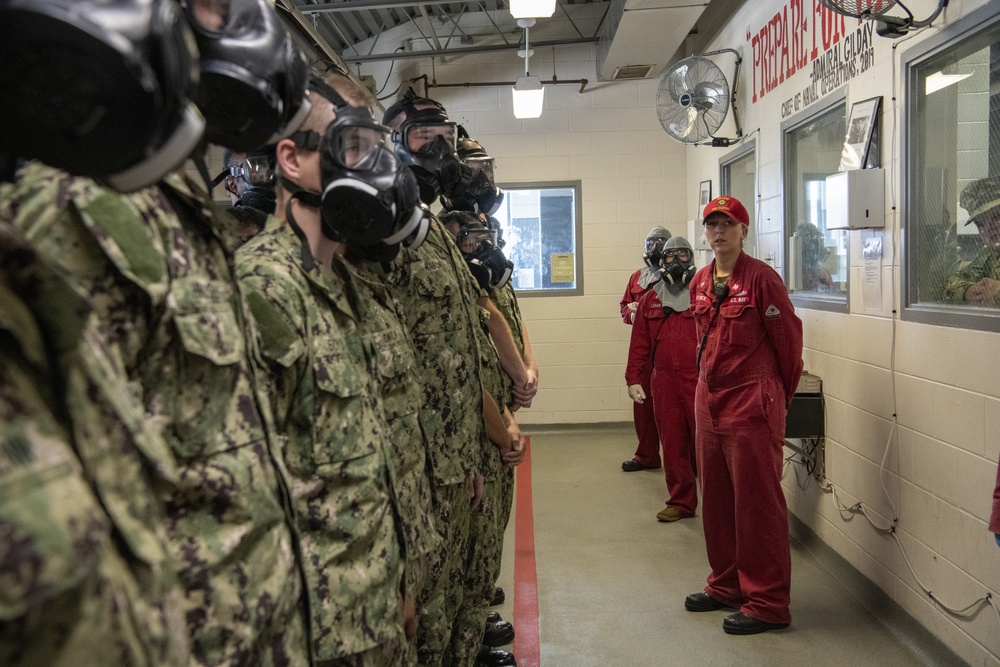
Navy boot camp lasts 8–10 weeks at Recruit Training Command (RTC) Great Lakes, Illinois.
Week-by-Week Breakdown
-
Week 1: Processing, uniforms, haircut, immunizations
-
Week 2: Introduction to Navy life, discipline, watchstanding
-
Week 3: Physical fitness, seamanship basics
-
Week 4: Firefighting, shipboard safety
-
Week 5: Weapons training & confidence chamber
-
Week 6: Seamanship, line handling, damage control
-
Week 7: Final PRT, inspections
-
Week 8: Battle Stations 21 — Final evaluation
-
Graduation: Pass → become a U.S. Navy Sailor
9. Navy Job Categories (Enlisted Ratings)


Aviation
-
Aviation Boatswain’s Mate
-
Aircrew
-
Aviation Ordnanceman
-
Aircraft Maintenance Ratings
Engineering & Hull
-
Machinist’s Mate
-
Gas Turbine Technician
-
Electrician’s Mate
-
Hull Technician
Cyber & Intelligence
-
Cryptologic Technician
-
Information Systems Technician
-
Intelligence Specialist
Medical
-
Hospital Corpsman
-
Dental Technician
Logistics & Administration
-
Yeoman
-
Personnel Specialist
-
Logistics Specialist
Elite Programs


-
Navy SEALs
-
Navy SWCC
-
Explosive Ordnance Disposal (EOD)
-
Navy Diver
-
Submarine Service
10. Navy Pay, Allowances & Benefits


Components of Navy Compensation
-
Base Pay
-
Basic Allowance for Housing (BAH)
-
Basic Allowance for Subsistence (BAS)
-
Sea Pay
-
Hazardous Duty Pay
-
Bonuses (up to $75,000 in certain fields)
Education Benefits
-
GI Bill
-
Tuition Assistance
-
Navy COOL (Credentialing)
-
Loan Repayment Programs
Healthcare
-
Full medical, dental, and mental health coverage.
Retirement
-
20-year pension
-
Blended Retirement System
11. Becoming a Navy Officer (Full Paths Explained)

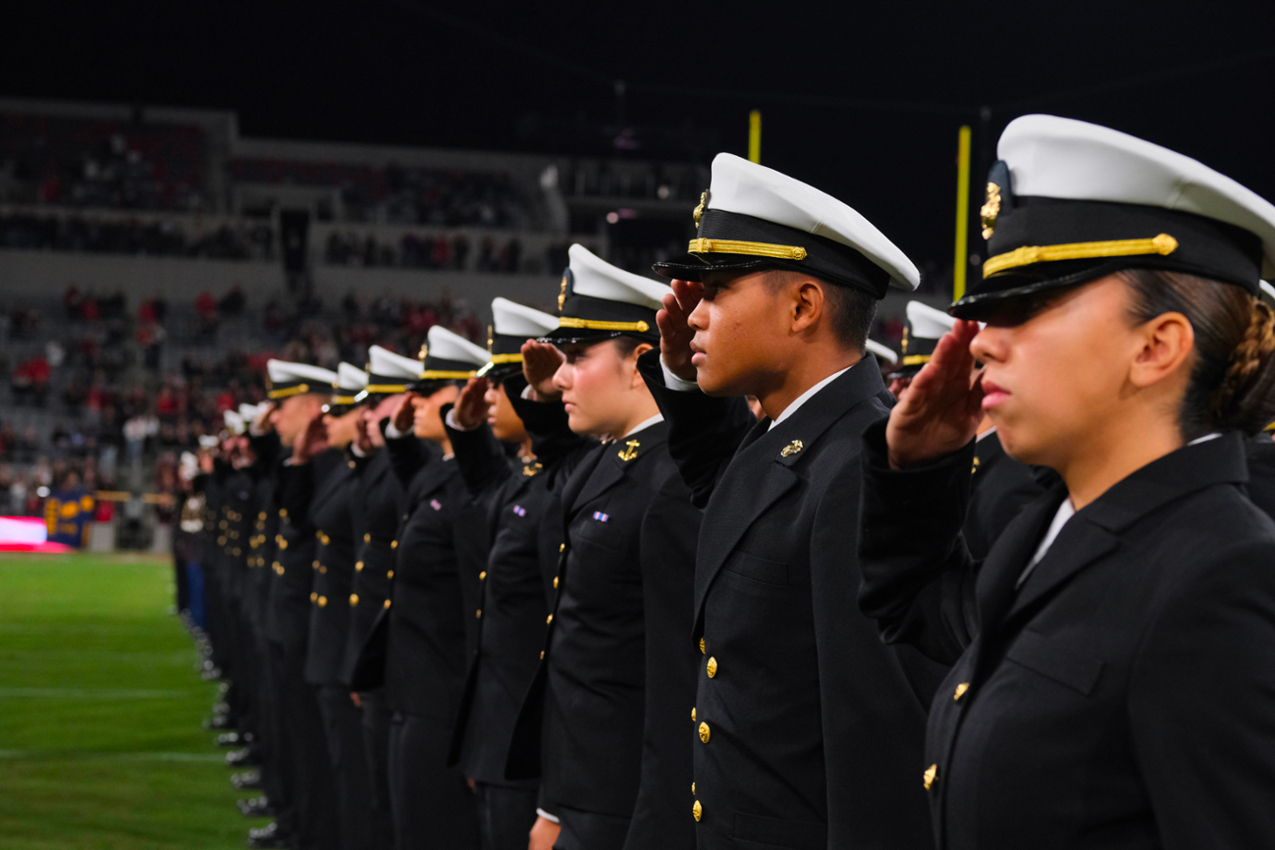
There are four major officer commissioning routes:
1. U.S. Naval Academy (USNA)
-
4-year undergraduate program
-
Full scholarship
-
Highly competitive
-
Produces line officers: aviation, SWO, submarines, Marines
2. Navy ROTC
-
Offered at major universities
-
Earn a degree + military leadership training
-
Scholarship opportunities
3. Officer Candidate School (OCS)
-
12-week course in Newport, Rhode Island
-
For college graduates
-
Fastest commissioning path
4. Direct Commission
For professionals in:
-
Law
-
Medicine
-
Chaplaincy
-
Cyber/technology
-
Engineering
-
Intelligence
12. Navy Reserve Opportunities

✔ Part-time service
✔ Civilian career + military benefits
✔ Bonuses and paid training
Reserve sailors typically drill:
-
One weekend per month
-
Two weeks per year
Training paths mirror active-duty options.
13. Life in the Navy: Housing, Deployments, Daily Routine


Housing
-
Barracks for single sailors
-
On-base or off-base housing with BAH
Deployments
Typical deployment cycle:
-
6–9 months at sea
-
Followed by training and maintenance periods
Daily Life
-
PT (physical training)
-
Watches/ship duties
-
Maintenance and training
-
Liberty/shore leave
14. Tips for Success — How to Excel in the Navy

1. Train Early & Meet Fitness Standards
2. Score High on the ASVAB
3. Choose a Rating with Growth Potential
Cyber, IT, nuclear, and medical offer the best advancement.
4. Maintain Strong Professionalism
5. Volunteer for Schools
6. Study for Advancement Exams
7. Build Leadership Skills
15. Conclusion
The U.S. Navy Recruitment Guide highlights one of the most prestigious and rewarding career paths available today. The United States Navy offers opportunities built around global missions, advanced technical training, leadership development, and exceptional benefits. Whether you plan to enlist as a sailor or pursue a commission as an officer, the U.S. Navy Recruitment Guide shows how the Navy equips you with the skills, discipline, and experience needed to build a strong and successful future.
If you’re ready to take the first step, visit the official recruitment portal:
👉 https://www.navy.com