
Joining the United States Armed Forces is a major life decision—one that offers personal fulfillment, advanced career skills, education benefits, stable income, and the opportunity to serve and protect national interests. As the military evolves with new technologies, global responsibilities, and modernization plans, the 2026 recruitment landscape is more streamlined, digital-friendly, and filled with diverse career paths across all branches.
This guide breaks down everything applicants need to know about joining the U.S. Army, Navy, Air Force, Marine Corps, and Coast Guard in 2026 including requirements, training, job pathways, officer routes, benefits, and step-by-step application processes.
1. Overview of U.S. Military Recruitment in 2026
By 2026, the U.S. Department of Defense (DoD) has adopted a more flexible, innovative approach to recruitment, focusing on:
✅ Digital applications and virtual pre-screening
✅ Expanded enlistment bonuses in high-demand career fields
✅ More technical career pathways (cybersecurity, AI, intel, space systems)
✅ Broader eligibility for medical waivers
✅ Stronger emphasis on educational benefits & career transition support
Each branch maintains its unique culture, mission, and training methods, but they share common eligibility standards.
2. General Eligibility Requirements (Across All Branches)
Age Requirements (2026)
-
Army: 17–35
-
Navy: 17–39
-
Air Force: 17–39
-
Marine Corps: 17–28
-
Coast Guard: 17–31
Applicants aged 17 require parental consent.
Citizenship
-
U.S. citizens and Green Card holders are eligible for enlistment.
-
Only U.S. citizens can apply for top-secret clearance roles.
Education
-
Minimum: High school diploma or equivalent (GED).
-
Some technical career fields require additional coursework or college credits.
Physical Fitness
Workouts vary by branch, but all recruits must pass:
-
Height/weight standards
-
Physical fitness tests
-
Medical evaluation at MEPS (Military Entrance Processing Station)
ASVAB Test
All applicants must take the Armed Services Vocational Aptitude Battery to determine job qualification.
3. Joining the U.S. Army (2026)

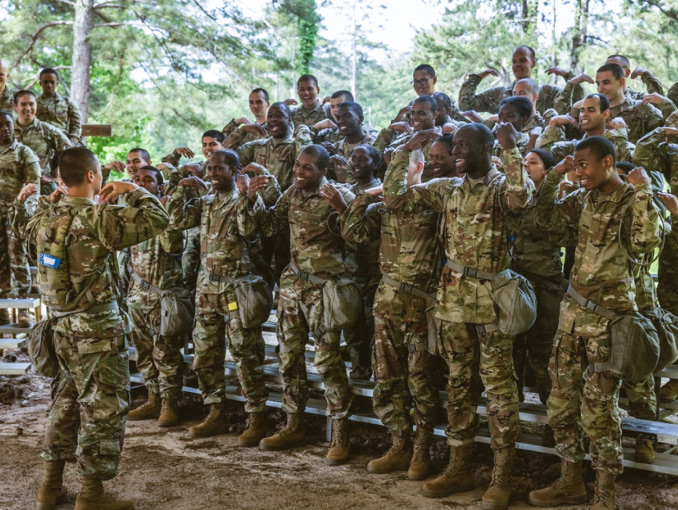
Army Enlistment Requirements (2026)
-
Age: 17–35
-
Education: High school diploma/GED
-
ASVAB: Minimum AFQT of 31
-
Pass Army Combat Fitness Test (ACFT) standards
-
Meet moral and medical qualifications
Army Career Fields
-
Infantry & combat operations
-
Cyber operations & security
-
Intelligence & surveillance
-
Healthcare & nursing
-
Engineering & construction
-
Aviation (helicopter repair, drone operations)
-
Logistics, supply chain & transport
Army Training
-
Basic Combat Training (BCT): 10 weeks
-
Advanced Individual Training (AIT): Length varies by career field
Army Officer Pathways
-
West Point (USMA)
-
ROTC (Reserve Officers’ Training Corps)
-
OCS (Officer Candidate School)
-
Direct Commission (law, medical, chaplaincy, cybersecurity)
4. Joining the U.S. Navy (2026)


Navy Enlistment Requirements
-
Age: 17–39
-
Minimum AFQT: 35
Navy Career Fields
-
Submarine operations
-
Aviation (pilots, flight crew, aircraft maintenance)
-
Cyber warfare & information systems
-
Nuclear engineering (Nuke Program)
-
SEALs/Special Warfare
-
Medical & hospital corps
Navy Training
-
Boot Camp: 8 weeks (Great Lakes, Illinois)
-
A-School: Technical skill training
Navy Officer Pathways
-
U.S. Naval Academy (USNA)
-
ROTC (Navy Option)
-
OCS (Navy Officer Candidate School)
-
Direct Commission for specialized professions
5. Joining the U.S. Air Force (2026)

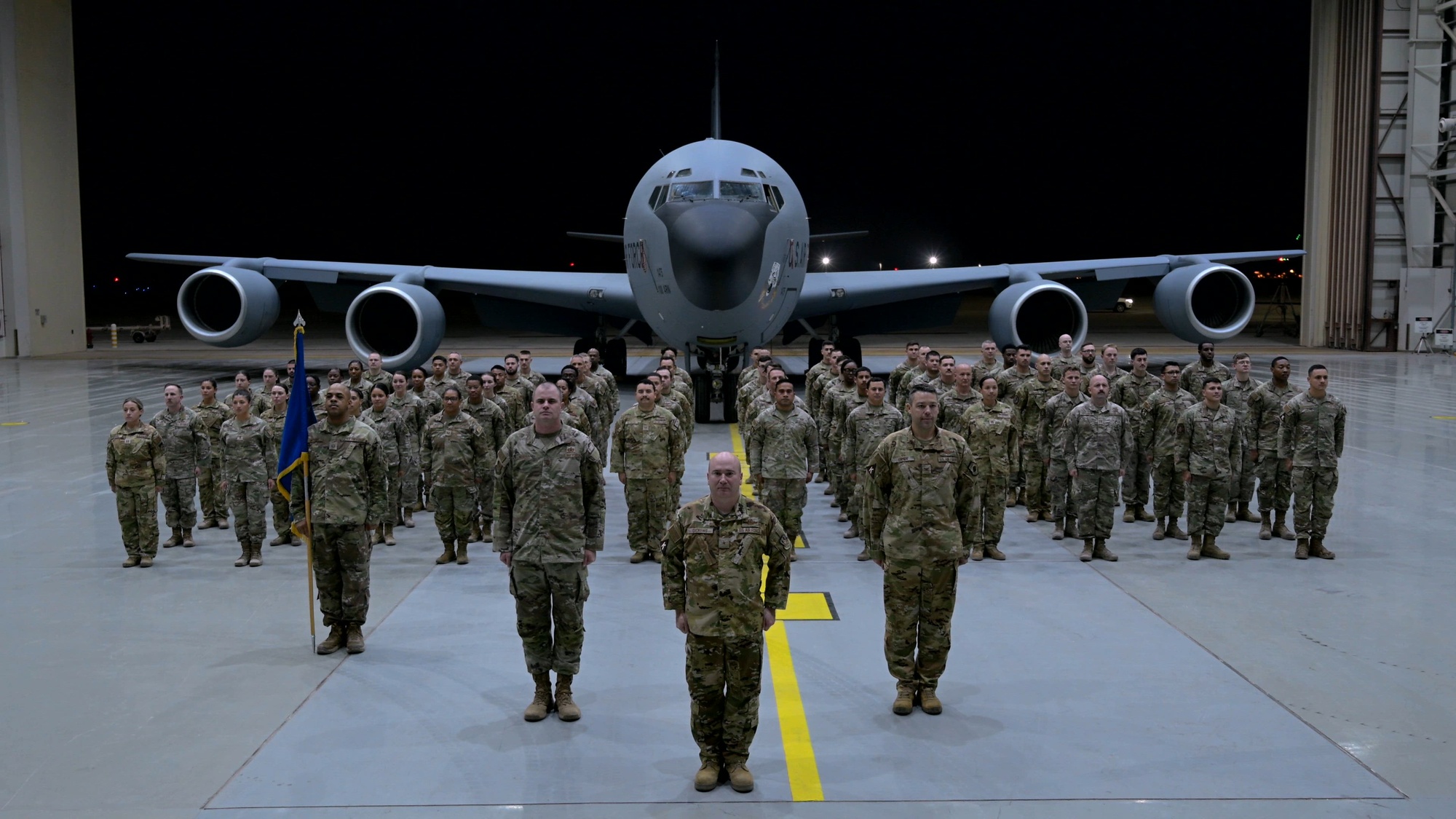
The U.S. Air Force focuses on airpower, space, cyber systems, intelligence, and advanced technology.
Air Force Enlistment Requirements
-
Age: 17–39
-
Minimum AFQT: 36
Air Force Career Fields
-
Aircraft maintenance
-
Intelligence, surveillance & reconnaissance (ISR)
-
Cybersecurity & IT
-
Space operations (in partnership with Space Force)
-
Aircrew, pilots & remotely-piloted aircraft
-
Medical careers
Air Force Training
-
Basic Military Training (BMT): 7.5 weeks
-
Technical Training School: Varies by AFSC
Officer Routes
-
U.S. Air Force Academy (USAFA)
-
ROTC (Air Force Option)
-
OTS (Officer Training School)
-
Direct Commission for medical/legal roles
6. Joining the U.S. Marine Corps (2026)


The U.S. Marine Corps is known for physical toughness, combat readiness, and expeditionary missions.
Marine Corps Enlistment Requirements
-
Age: 17–28
-
Minimum AFQT: 32
-
Excellent physical fitness and endurance
USMC Career Fields
-
Infantry & amphibious assault
-
Reconnaissance & special operations
-
Communications & cyber operations
-
Aviation support
-
Logistics & engineering
-
Intelligence roles
Marine Corps Training
-
Recruit Training (Boot Camp): 13 weeks (hardest in the U.S. military)
-
Marine Combat Training (MCT) for non-infantry
-
MOS Schools per career field
Officer Pathways
-
U.S. Naval Academy
-
Marine Option ROTC
-
Officer Candidates School (OCS)
-
Enlisted-to-Officer Programs
7. Joining the U.S. Coast Guard (2026)
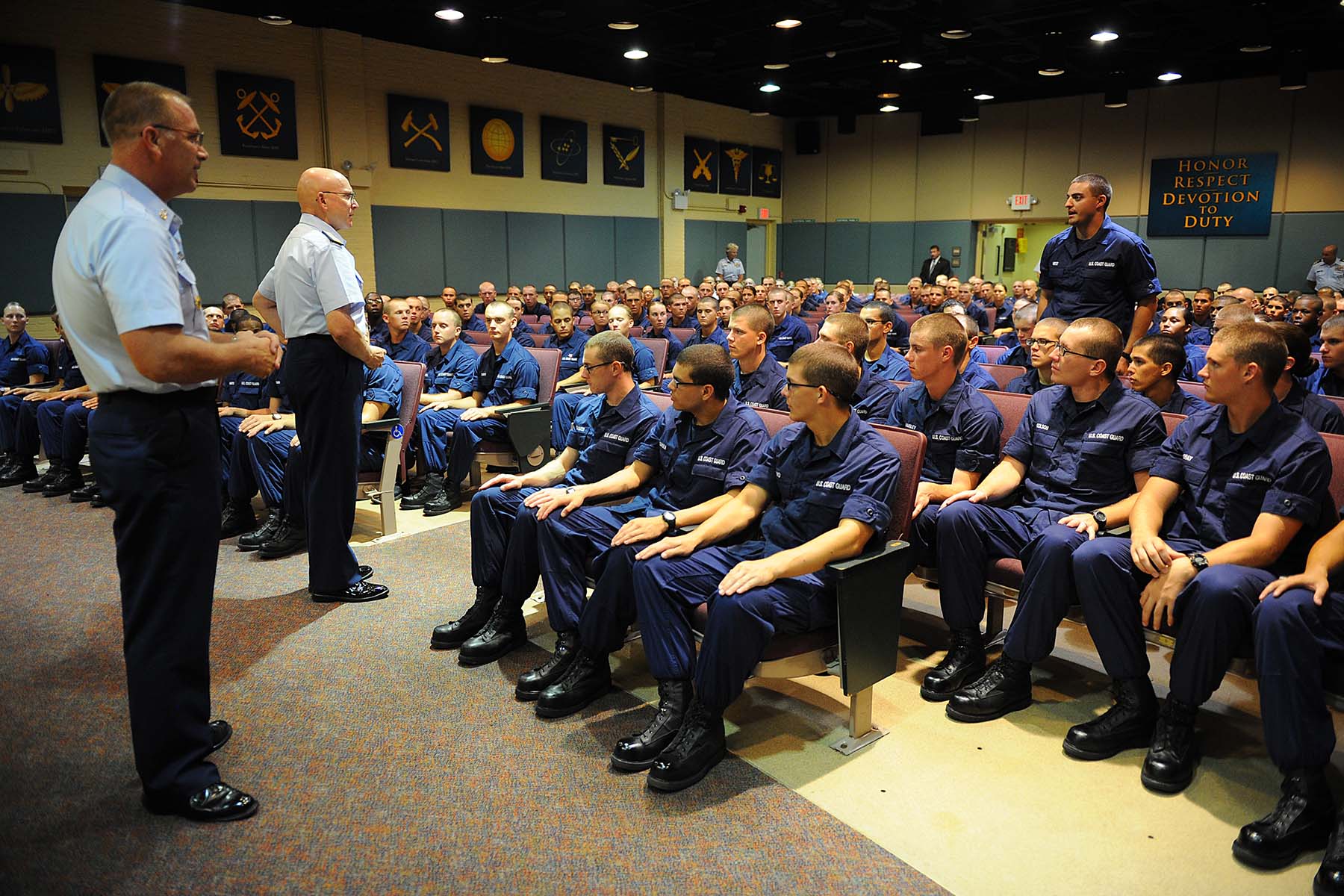
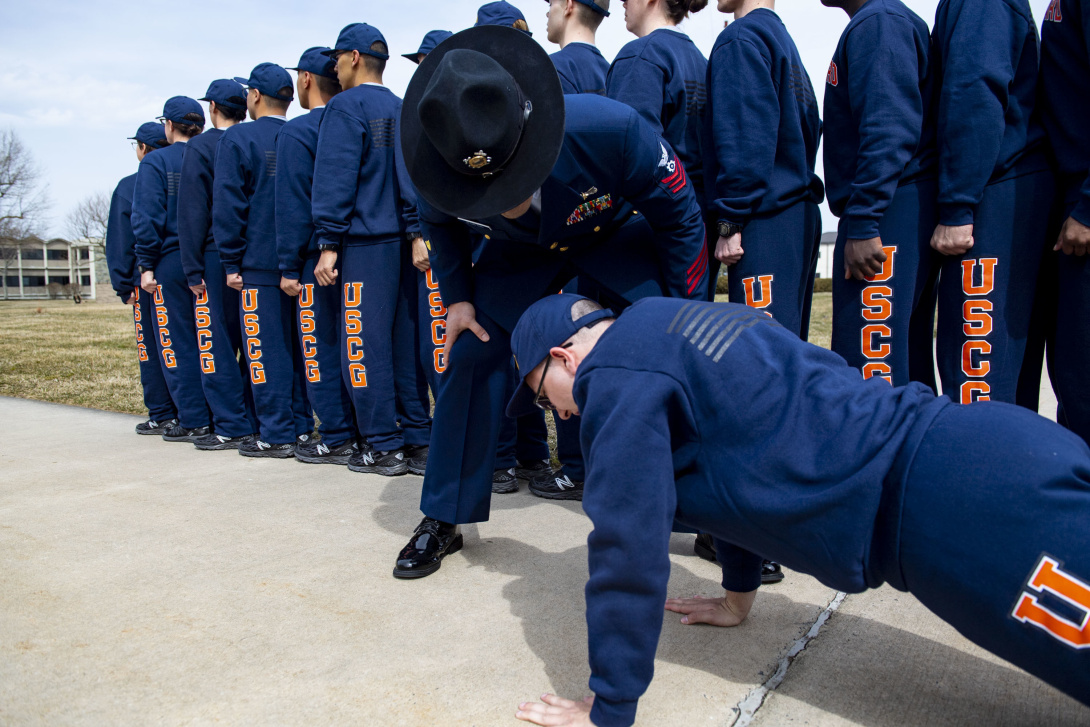
Coast Guard Enlistment Requirements
-
Age: 17–31
-
Minimum AFQT: 45
-
Strong swimming ability preferred
Career Fields
-
Search and rescue
-
Maritime law enforcement
-
Environmental protection
-
Intelligence & cybersecurity
-
Engineering & vessel maintenance
-
Aviation & rescue swimmer program
Training
-
Boot Camp: 8 weeks (Cape May, New Jersey)
-
A-School for technical training
Officer Programs
-
U.S. Coast Guard Academy
-
OCS
-
Direct Commission Officer Programs
8. How to Apply (Step-by-Step Process for All Branches)
STEP 1: Research branches & choose your preferred service
Consider mission, lifestyle, career fields, and training style.
STEP 2: Contact a recruiter
Each branch has online recruiters and walk-in stations.
STEP 3: Take the ASVAB Test
Scores determine job eligibility.
STEP 4: Medical evaluation at MEPS
Includes:
-
Height/weight
-
Eye & hearing test
-
Physical exam
-
Background screening
STEP 5: Select your job (MOS/AFSC/Rating)
Match ASVAB scores and career interests.
STEP 6: Sign your contract
This includes:
-
Enlistment term
-
Job assignment
-
Bonus eligibility
-
Shipping date to boot camp
STEP 7: Ship to Basic Training
Training length varies by branch.
9. Benefits of Joining the U.S. Military in 2026
🎓 Education
-
Tuition Assistance (TA)
-
Post-9/11 GI Bill
-
Student loan repayment
💼 Career Experience
-
High-tech skills
-
Certifications & licenses
-
Leadership development
💵 Financial
-
Competitive pay
-
Enlistment bonuses
-
Housing (BAH) & food allowances (BAS)
-
Retirement & pension options
🏥 Healthcare
-
Full medical and dental coverage
🛡️ Stability
-
Guaranteed salary
-
Career growth opportunities
10. Choosing the Best Branch for You
| Branch | Strengths | Best For |
|---|---|---|
| Army | Largest career variety | All-round careers, land combat, engineering |
| Navy | Maritime, aviation, nuclear | Travel, ships, submarines, high-tech roles |
| Air Force | Tech, cyber, aviation | Those seeking advanced technical jobs |
| Marine Corps | Elite combat training | Physically intense missions, infantry |
| Coast Guard | Law enforcement & rescue | Water operations, homeland security |
Conclusion
The U.S. Military Recruitment system in 2026 offers more opportunities, flexibility, and advanced career paths than ever before. Whether you aim to serve on land, at sea, in the air, or defending the homeland, the U.S. Army, Navy, Air Force, Marine Corps, and Coast Guard each provide a structured path toward professional and personal growth.
If you choose to join in 2026, you’ll be entering a force that values technology, resilience, skill development, and national service.