
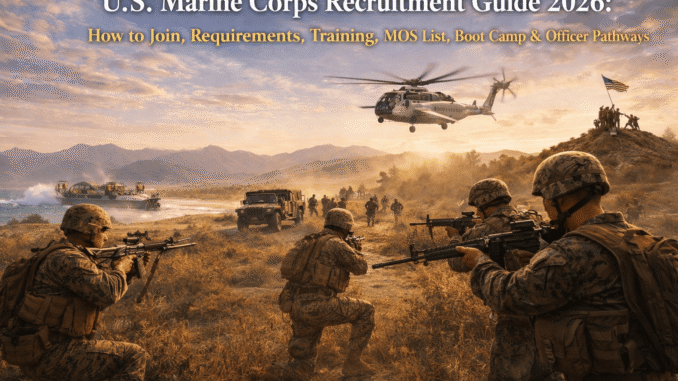
The U.S. Marine Corps Recruitment pathway leads into one of America’s most elite amphibious fighting forces. The United States Marine Corps is renowned for developing some of the world’s most physically resilient, mentally disciplined, and combat-ready warriors. If you’re seeking a military career grounded in honor, grit, strength, and leadership, pursuing U.S. Marine Corps Recruitment could be your calling.
This comprehensive 2026 guide explains everything you need to know:
✔ Updated USMC requirements
✔ ASVAB scores & MOS qualifications
✔ Marine Corps fitness standards (PFT/CFT)
✔ Step-by-step recruitment process
✔ Full boot camp breakdown
✔ MOS job fields explained
✔ Pay, benefits & bonuses
✔ Marine officer paths (OCS, USNA, NROTC)
✔ USMC Reserve opportunities
✔ Deployment, lifestyle & career advancement
TABLE OF CONTENTS
-
Introduction: Why Join the Marines?
-
Understanding the Marine Corps Mission & Culture
-
Requirements to Join the Marine Corps (2026 Update)
-
ASVAB Scores & MOS Line Scores
-
Marine Corps Medical Standards (MEPS)
-
Marine Corps Fitness Standards (PFT & CFT Explained)
-
Step-by-Step Recruitment Process
-
Marine Corps Boot Camp — The Toughest in America
-
USMC MOS Job Fields & Career Opportunities
-
Marine Corps Pay, Benefits & Bonuses
-
Becoming a Marine Officer
-
Marine Corps Reserve (USMCR)
-
Life in the Marines: Training, Deployments & Housing
-
Tips to Excel as a Marine
-
Conclusion
1. Introduction: Why Join the Marines?

The Marine Corps is the smallest yet most combat-focused branch of the U.S. military. Marines pride themselves on discipline, unity, and excellence.
Reasons People Join the Marines
-
Elite Training: Toughest boot camp in the U.S. military.
-
Strong Identity: “Once a Marine, always a Marine.”
-
Combat Readiness: Immediate deployment force for crises.
-
Brotherhood/Sisterhood: Unmatched camaraderie.
-
Skills & Leadership: Marines become resilient, capable leaders.
-
Global Missions: Amphibious operations, infantry, aviation, security forces, cyber, logistics, engineering and more.
Joining the Marine Corps is more than a job—it’s a transformation.
2. Understanding the Marine Corps Mission & Culture
Core Mission Roles
-
Amphibious Operations
-
Rapid Response & Crisis Intervention
-
Infantry Operations (Marine Air-Ground Task Force)
-
Security Cooperation with Allies
-
Humanitarian Assistance & Disaster Relief
Marine Corps Culture
Every Marine is a Rifleman.
Regardless of MOS, every Marine is expected to be combat-ready.
Marine Corps Values
-
Honor
-
Courage
-
Commitment
If you join the Marines, you’re expected to uphold these values at all times.
3. Requirements to Join the Marine Corps (2026 Update)
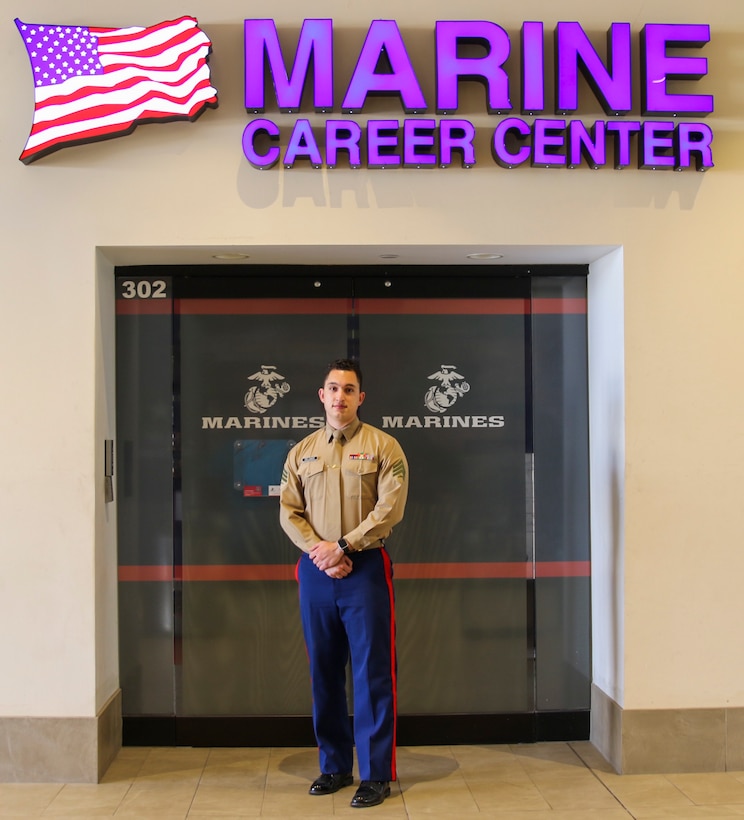
To join the Marines in 2026, you must meet strict standards.
Age Requirements
-
17–28 years old (waivers possible up to 30)
-
Officers: 18–34 depending on program
Citizenship
-
U.S. citizens or permanent residents (Green Card holders)
Education
-
High school diploma strongly preferred
-
GED requires additional qualifications
ASVAB Requirement
-
Minimum 31 AFQT score
-
Higher scores required for specific MOS fields
Background Requirements
-
No serious criminal history
-
Must pass a background check
Drug Policy
-
Zero tolerance for hard drugs
-
Marijuana/THC allowed in past but not during enlistment
-
Must pass a drug test at MEPS
Moral Character
Marines expect discipline, honesty, and maturity.
4. ASVAB Scores & MOS Line Scores
The ASVAB determines the Marine job (MOS) you qualify for.
Minimum ASVAB Requirements
-
AFQT 31 – minimum
-
AFQT 50+ – competitive for technical roles
Marine Corps Line Scores
Jobs require specific line scores:
-
GT (General Technical)
-
MM (Mechanical Maintenance)
-
EL (Electronics)
-
CL (Clerical)
Higher ASVAB = better MOS options + bonuses.
Examples of High-Score MOS Jobs
-
Intelligence Specialist
-
Cyber Network Operator
-
Aircraft Maintenance
-
Artillery Fire Control
-
Reconnaissance
-
Aviation Electronics
5. Marine Corps Medical Standards (MEPS)
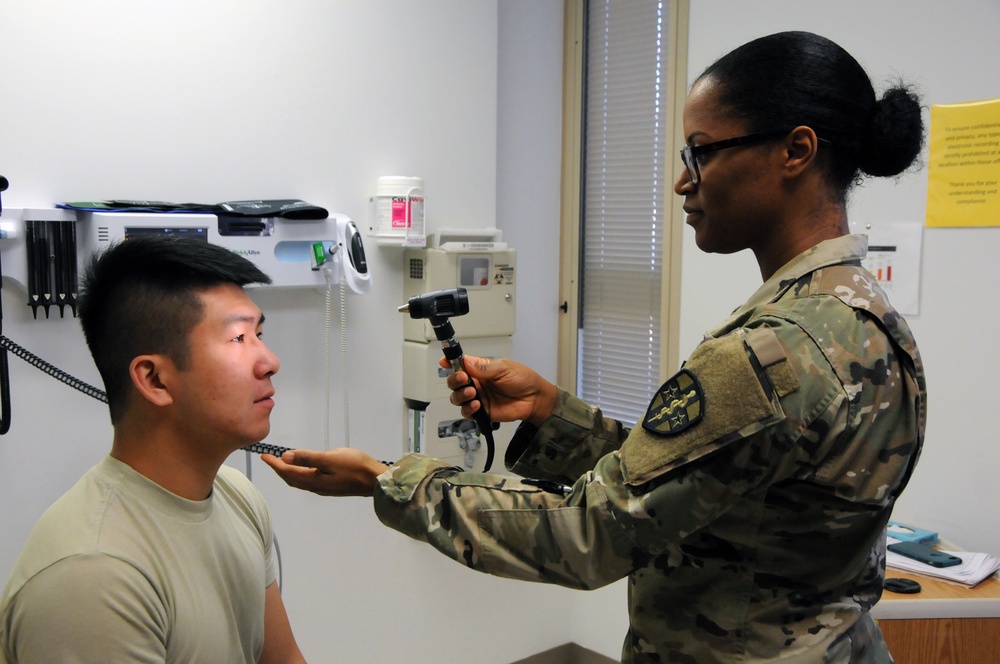
Everyone must pass the Military Entrance Processing Station (MEPS).
Medical Checks Include
-
Blood pressure
-
Hearing test
-
Vision test
-
Orthopedic exam
-
Psychological screening
-
Drug test
-
Weight & body fat measurement
Common Medical Disqualifiers
-
Asthma after age 13
-
Major orthopedic issues
-
Severe allergies
-
Color blindness (for specific aviation roles)
-
Significant mental health conditions
Some cases qualify for medical waivers.
6. Marine Corps Fitness Standards (PFT & CFT)

Physical Fitness Test (PFT)
Tests aerobic endurance and body strength.
PFT Events
-
Pull-ups or Push-ups
-
Plank
-
3-mile run
Passing Benchmarks
-
Pull-ups: 3 minimum (higher is better)
-
Run: 3 miles in under 28 minutes (men) or 31 minutes (women)
-
Plank: 1:10 minimum
Excellent scores boost promotion opportunities.
Combat Fitness Test (CFT)
Simulates combat performance.
CFT Events
-
Movement to Contact (880-yard sprint)
-
Ammunition Can Lift (30-lb can)
-
Maneuver Under Fire course (crawling, dragging, fireman’s carry)
The CFT ensures Marines fight effectively in real combat environments.
7. Step-by-Step Marine Corps Recruitment Process

Here is the complete enlistment process:
STEP 1 — Meet a Marine Recruiter
Discuss eligibility, goals, and job aspirations.
STEP 2 — Take a Practice ASVAB
PiCAT or recruiter-administered test.
STEP 3 — MEPS Screening
Includes:
-
Medical
-
ASVAB
-
Fingerprinting
-
Background check
STEP 4 — Select an MOS (Job)
Your ASVAB determines your field.
STEP 5 — Sign Your Contract
Usually 4–5 years active duty.
STEP 6 — Poolee Program (DEP)
Training phase before shipping to boot camp.
STEP 7 — Ship to Parris Island or San Diego
Depending on your location:
-
West of Mississippi → MCRD San Diego
-
East of Mississippi → MCRD Parris Island
8. Marine Corps Boot Camp — The Toughest in the U.S.
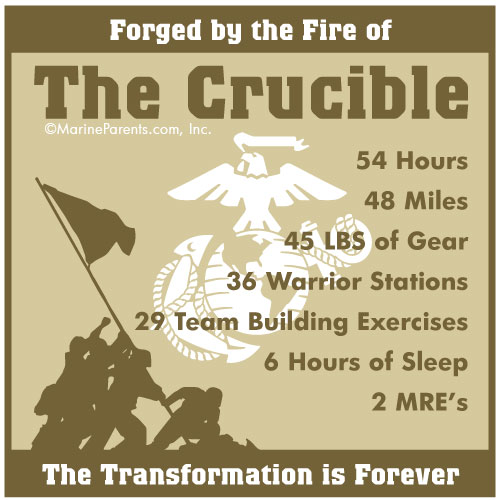
Marine boot camp lasts 13 weeks—the longest and toughest in the U.S. Armed Forces.
Boot Camp Phases
Phase 1 — Foundation (Weeks 1–4)
-
Receiving week
-
Medical processing
-
Haircuts
-
Drill instruction
-
Initial fitness tests
-
Introduction to discipline
Phase 2 — Weapons & Field Training (Weeks 5–9)

-
Rifle marksmanship
-
Field training exercises
-
Obstacle courses
-
Combat conditioning
Phase 3 — Testing & Final Challenges (Weeks 10–13)
-
Final PFT/CFT
-
Inspections
-
Combat water survival
The Crucible (54-hour test)
This is the ultimate challenge:
-
Sleep deprivation
-
Combat scenarios
-
Forced marches
-
Team tasks
-
40+ miles of movement
Upon completion, recruits earn the title:
🎖️ United States Marine
9. Marine Corps MOS Job Fields

The USMC has over 180 MOS career fields grouped into major categories.
INFANTRY (03XX)
The backbone of the Marine Corps:
-
Rifleman (0311)
-
Machine Gunner (0331)
-
Mortarman (0341)
-
Infantry Assault (0351)
AVIATION
-
Aircraft Mechanic
-
Avionics Technician
-
Flight Equipment Specialist
-
Air Traffic Controller
INTELLIGENCE
-
Intelligence Specialist
-
Radio Recon
-
Counterintelligence
-
Geographic Intelligence
SPECIAL OPERATIONS

-
Force Recon
-
Recon Marines
These require exceptional fitness and mental toughness.
SUPPORT & TECHNICAL ROLES
-
Cyber Network Operator
-
Communications
-
Motor Transport
-
Logistics
-
Engineering
-
Legal/Administration
-
Supply & Warehousing
10. Marine Corps Pay, Allowances & Bonuses
Pay Components
-
Base pay (rank + time in service)
-
BAH (housing)
-
BAS (food allowance)
-
Special duty pay
-
Hazard pay
-
Reenlistment bonuses
Bonuses
Marines offer bonuses up to $50,000+ for:
-
Infantry
-
Intelligence
-
Cyber
-
Aviation mechanics
-
Special operations
Education Benefits
-
GI Bill (full tuition + housing stipend)
-
Tuition Assistance (up to 100% of courses)
-
Apprenticeships & certifications
11. Becoming a Marine Officer
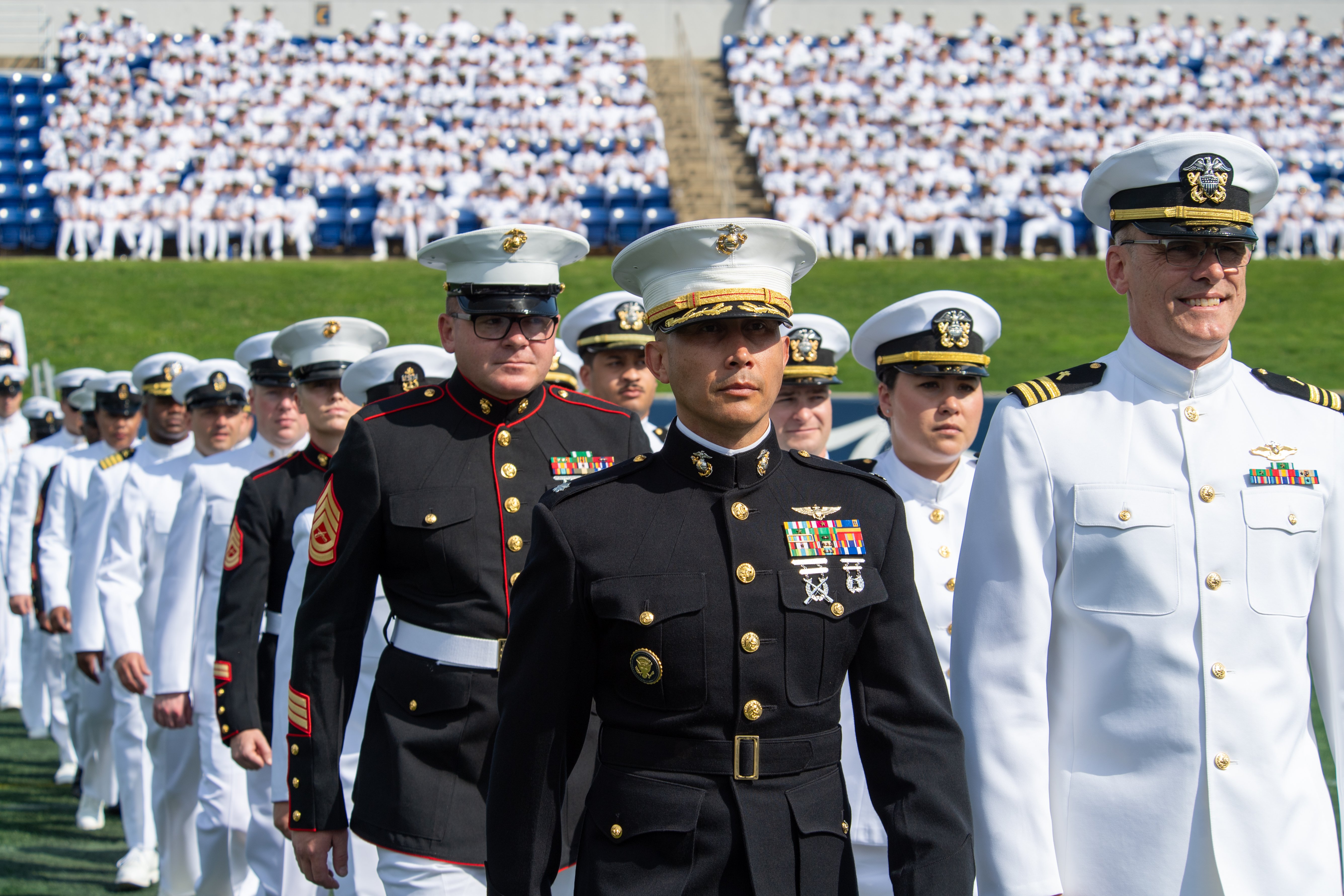
There are three main commissioning routes:
1. Officer Candidates School (OCS)
-
10-week program in Quantico
-
For college graduates
-
Designed to test leadership, endurance & decision-making
2. NROTC (Naval ROTC)
-
Attend college + Marine Corps training
-
Scholarships available
-
Commission as 2nd Lieutenant
3. U.S. Naval Academy (USNA)
-
Extremely competitive
-
Full scholarship
-
Commission as Marine ground or aviation officer
Officer Career Fields
-
Infantry Officer
-
Intelligence Officer
-
Logistics Officer
-
Aviation (Pilot/NFO)
-
Cyber Warfare
-
Engineering & Maintenance
12. Marine Corps Reserve (USMCR)

Serve part-time while keeping a civilian job or attending school.
Reserve Service Requirements
-
Drill: 1 weekend/month
-
Annual training: 2 weeks/year
Reserve Marines can be mobilized during operations or emergencies.
13. Life in the Marines: Housing, Deployments & Daily Routine
-
Barracks for single Marines
-
On-base or off-base housing with BAH for families
Deployments
Typical deployment cycles:
-
6–9 months overseas
-
Followed by downtime and training
Daily Routine
-
Morning PT
-
MOS job duties
-
Weapons training
-
Field exercises
-
Inspections/maintenance
Life in the Marines is intense, structured, and rewarding.
14. Tips to Excel as a Marine
This saves you huge stress.
2. Learn discipline early
Recruits with strong discipline succeed fastest.
3. Study for promotions
Professional Military Education (PME) is crucial.
4. Develop leadership skills
The Marine Corps rewards confident decision-makers.
5. Embrace the culture
Honor. Courage. Commitment. Live by these values.
15. Conclusion
The U.S. Marine Corps Recruitment program offers one of the most demanding, respected, and life-changing paths in military service. The United States Marine Corps challenges every recruit to grow stronger physically, mentally, and professionally. Whether your interest is in combat, aviation, logistics, cyber operations, or leadership roles, U.S. Marine Corps Recruitment is designed to help you reach your highest potential.
If you’re ready to take the next step, visit the official 2026 recruiting portal:
👉 https://www.marines.com