
This article provides a complete overview of the scholarship—its purpose, eligibility requirements, benefits, application process, selection criteria, partner universities, and tips for a strong application.
1. What Are the Queen Elizabeth Commonwealth Scholarships?
The QECS program is funded by the Association of Commonwealth Universities (ACU) and aims to promote:
-
Global mobility for postgraduate students
-
Social and economic development in host and home countries
-
Cross-cultural exchange within the Commonwealth
-
Capacity-building in critical development sectors
The scholarships focus on creating future leaders, innovators, and change-makers who will contribute positively to their communities after completing their studies.
2. Key Features of the QECS
2.1 Fully Funded Support
QECS covers the full cost of studying abroad, including:
-
Full tuition fees
-
Living allowance (stipend) throughout the study period
-
Return economy airfare to the host country
-
Research support grant (subject to approval)
-
Other allowances depending on the institution
2.2 Postgraduate Focus
The scholarship supports Master’s degree programs only (usually 1–2 years).
2.3 Study in a Different Commonwealth Country
Applicants cannot study in their home country; this encourages international mobility and cultural immersion.
3. Who Can Apply? – Eligibility Requirements


You are eligible to apply if:
-
You are a citizen (or refugee) of a Commonwealth country.
-
You hold a bachelor’s degree with a minimum equivalent of 2:1, depending on the host university requirements.
-
You apply to study in an eligible host institution outside your home country.
-
You meet the English-language requirements of your chosen university.
-
You are interested in making a positive impact in your home country after your studies.
4. Fields of Study
QECS supports fields that relate to sustainable development, such as:
-
Public health & medicine
-
Science & technology
-
Engineering
-
Agriculture & climate sciences
-
Education
-
Public administration
-
Social sciences & development studies
-
Environmental studies
-
Business & economics
The specific programs available vary depending on the host university.
5. Participating Host Countries and Universities
The participating institutions vary per application cycle, but popular host countries include:


Common Host Countries
-
Malaysia
-
Sri Lanka
-
South Africa
-
Eswatini
-
Fiji
-
Bangladesh
-
Pakistan
-
Kenya
-
Mauritius
-
Uganda
Examples of Partner Universities
-
University of Colombo (Sri Lanka)
-
University of Mauritius
-
University of the South Pacific (Fiji)
-
University of Eswatini
-
University of Pretoria (South Africa)
-
University of Johannesburg (South Africa)
-
University of Dhaka (Bangladesh)
Each cycle features a new set of available courses and countries, so applicants should always check the latest list.
6. Application Process: Step-by-Step Guide
Applying for QECS requires careful preparation. Below is the typical process:
Step 1: Review Available Awards
Check the current cycle’s participating countries, institutions, and eligible courses on the ACU official website.
Step 2: Prepare Your Documents
You will typically need:
-
Passport or national ID
-
Academic transcripts
-
Degree certificate
-
Curriculum Vitae (CV)
-
Statement of Purpose / Personal Statement
-
Research Proposal (if applicable)
-
Academic reference letters (usually 2)
Step 3: Submit Your QECS Application
Applications are submitted through the ACU online application portal.
Step 4: Apply Separately to the Host Institution
Most universities require applicants to complete a separate admissions process.
Step 5: Wait for Shortlisting and Final Selection
Shortlisted candidates may be asked for:
-
Interviews
-
Additional documents
-
Clarification on their study or development goals
Successful applicants receive a formal scholarship offer directly from ACU.
7. Selection Criteria
The QECS selection panel looks for applicants who demonstrate:
-
Strong academic performance
-
A commitment to development in their home country
-
Leadership potential
-
Relevant professional or volunteer experience
-
Clarity of purpose in their study and career goals
-
Ability to benefit from cultural exchange and contribute meaningfully to the Commonwealth community
8. Benefits of the Scholarship
1. Financial Coverage
Full funding removes the financial barrier to studying abroad.
2. International Exposure
Scholars gain experience living and studying in a different cultural and academic environment.
3. Networking Opportunities
Students join a prestigious community of Commonwealth scholars.
4. Research Support
QECS may provide grants for research aligned with development goals.
5. Career Impact
Graduates go on to become:
-
Policymakers
-
Researchers
-
Social entrepreneurs
-
Development experts
-
Business leaders
-
Academics
9. Tips to Strengthen Your QECS Application


1. Highlight Community Impact
QECS is looking for applicants who will make a difference in their home country.
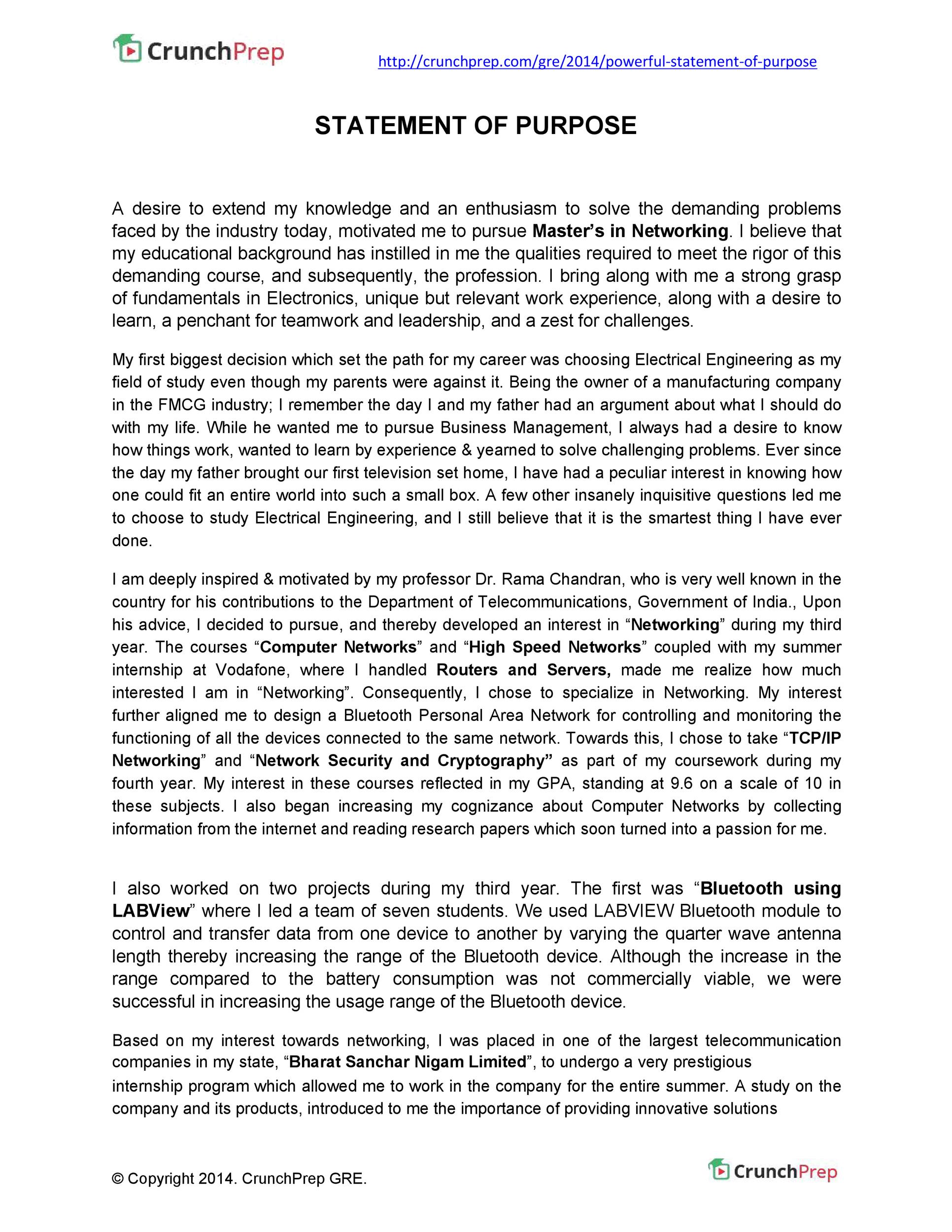
2. Write a Powerful Personal Statement
Address:
-
Your background
-
Motivation
-
Leadership experience
-
Community engagement
-
Future goals
3. Choose a Program Closely Aligned with Your Career Goals
Your study plan must show clear development relevance.
4. Provide Strong Academic References
Select referees who know your work and potential well.
5. Submit a Polished Application
Avoid errors and ensure your statements are well structured.
10. Frequently Asked Questions (FAQs)
Is QECS fully funded?
Yes. It covers tuition, airfare, living expenses, and research support.
Do I need work experience?
Not mandatory, but professional or volunteer experience strengthens your application.
Can I apply for a PhD?
No. QECS supports Master’s degrees only.
What is the age limit?
There is no official age limit.
How competitive is the scholarship?
Very competitive—but strong academic performance and community involvement improve your chances.
Conclusion
The Queen Elizabeth Commonwealth Scholarships offer an incredible opportunity for talented students across the Commonwealth to pursue quality postgraduate education fully funded in another member country. Beyond financial support, the program fosters global understanding, leadership development, and community impact.
For anyone passionate about contributing to the development of their home country while gaining world-class education, QECS is one of the best scholarships available.