



A Leadership Scholarship is more than a financial award—it is recognition of a student’s potential to influence, inspire, and create meaningful change within their school, community, or chosen field. These scholarships reward individuals who demonstrate exceptional leadership qualities such as responsibility, vision, initiative, teamwork, and service.
Whether you are a high school student, undergraduate, or postgraduate applicant, a leadership scholarship can open doors to academic opportunities, reduce financial burdens, and position you as a future leader in your profession.
This guide explains what leadership scholarships are, the types available, eligibility criteria, top programs, and how to write a winning application.
1. What is a Leadership Scholarship?
A Leadership Scholarship is a financial award granted to students who have shown strong leadership ability in academics, extracurricular activities, community service, or personal initiatives.
These scholarships may be awarded by:
-
Colleges and universities
-
Foundations and non-profit organizations
-
Government bodies
-
Corporations
-
Community groups
Leadership scholarships recognize qualities such as:
-
Initiative and innovation
-
Ability to motivate others
-
Problem-solving and critical thinking
-
Community involvement
-
Team management
-
Ethical decision-making
-
Academic dedication
2. Why Leadership Scholarships Matter
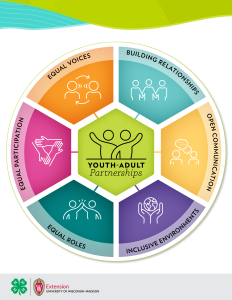
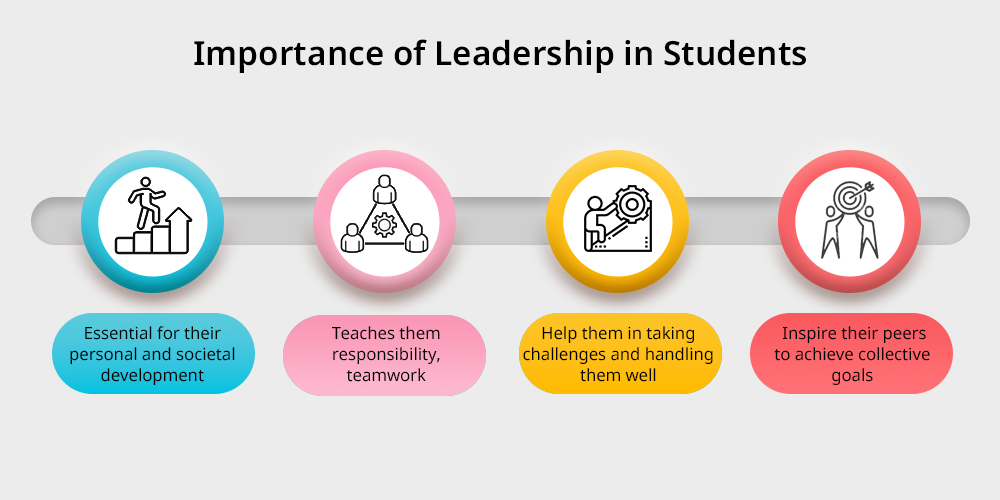
Leadership scholarships are designed to build future leaders by offering:
1. Financial Support
Covers tuition, accommodation, study materials, and other academic expenses.
2. Access to Leadership Networks
Scholars often join exclusive leadership programs, mentorship networks, or conferences.
3. Recognition
Being branded a “Leadership Scholar” boosts your CV, academic profile, and scholarship portfolio.
4. Career Opportunities
Leadership scholars stand out to employers and graduate schools.
5. Personal Development
Programs often include leadership training, workshops, and community engagement activities.
3. Who Can Apply for Leadership Scholarships?
Most leadership scholarships target students who:
-
Have strong academic performance
-
Participate actively in school clubs, societies, sports, or student government
-
Show proof of community service or volunteer work
-
Have held positions such as team leader, class representative, club president, or project coordinator
-
Have initiated projects that create social impact
-
Can demonstrate leadership potential through essays and recommendation letters
Some scholarships also consider financial need, background, or field of study.
4. Types of Leadership Scholarships
Leadership scholarships vary depending on the awarding institution. Common categories include:
1. Academic Leadership Scholarships
For students demonstrating leadership in academic competitions, research groups, or school activities.
2. Community Leadership Scholarships
For students actively involved in community development, social impact projects, or volunteer work.
3. Sports Leadership Scholarships
For captains, coaches, and athletes who show teamwork and leadership on the field.
4. Corporate Leadership Scholarships
Offered by businesses aiming to groom future industry leaders.
5. University-Based Leadership Scholarships
Many universities offer internal leadership programs where students serve as ambassadors, peer mentors, or event coordinators.
6. Government & NGO Leadership Programs
Target students involved in civic engagement, human rights advocacy, public service, and policy initiatives.
5. Top Leadership Scholarships Worldwide



1. Rhodes Scholarship (University of Oxford, UK)
One of the world’s most prestigious scholarships for exceptional leadership and academic excellence.
2. Chevening Scholarships (UK Government)
Targets emerging global leaders across various fields.
3. Schwarzman Scholars (Tsinghua University, China)
A fully funded leadership program in global affairs.
4. Mandela Rhodes Scholarship (South Africa)
Supports leadership development in Africa.
5. Knight-Hennessy Scholars (Stanford University, USA)
Develops future global leaders through fully funded graduate studies.
6. Mastercard Foundation Scholars Program (Africa)
Supports academically talented young leaders committed to social change.
7. YALI Mandela Washington Fellowship (USA)
Focuses on civic, business, and public management leadership for African youth.
6. Common Eligibility Requirements
While each scholarship differs, typical requirements include:
-
Strong academic performance (e.g., CGPA 3.0–3.8)
-
Leadership experience in clubs, sports, volunteer work, or organizations
-
Proof of community involvement
-
Personal statement or leadership essay
-
Recommendation letters
-
Demonstration of future leadership potential
-
Citizenship requirements (some programs are region-specific)
-
Age limits (some leadership scholarships target youth)
7. Required Documents
A leadership scholarship application usually requires:
-
Completed application form
-
Academic transcripts
-
Leadership CV or résumé Mycvcreator
-
Letters of recommendation (usually 1–3)
-
Personal statement or leadership essay
-
Proof of community service
-
Certificates or awards
-
Passport or ID
-
Interview (for highly competitive scholarships)
8. How to Apply for a Leadership Scholarship
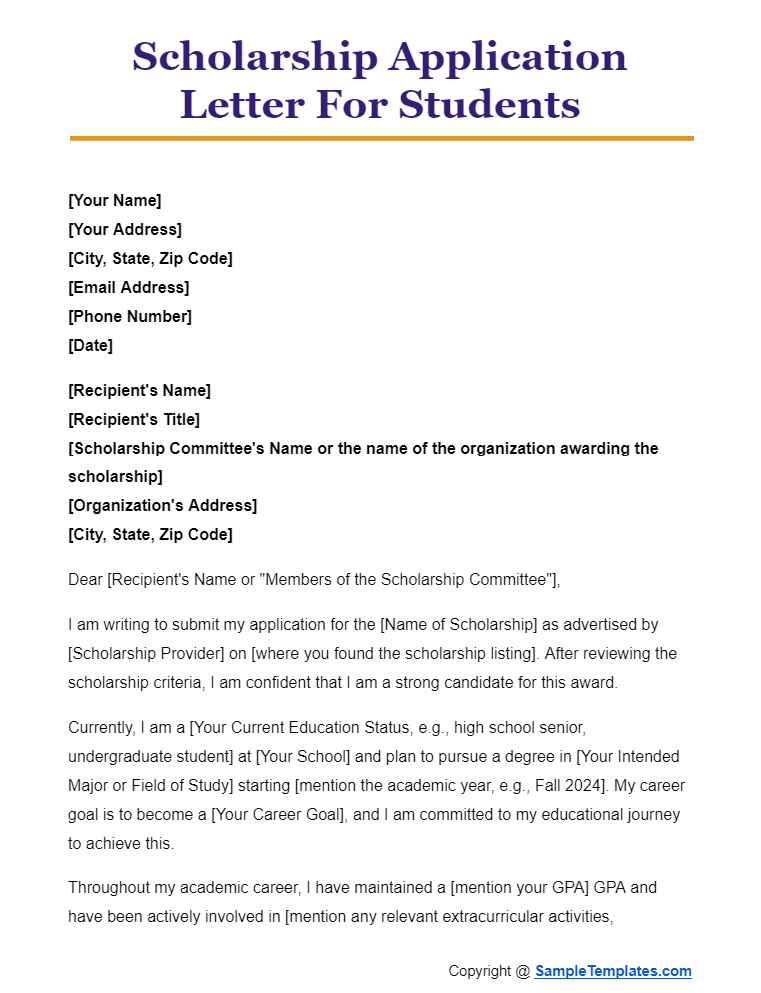
Step 1: Research Available Leadership Scholarships
Identify scholarships that match your academic level, field, and leadership background.
Step 2: Gather and Prepare Your Documents
Ensure your CV, transcripts, leadership certificates, and essays are ready.
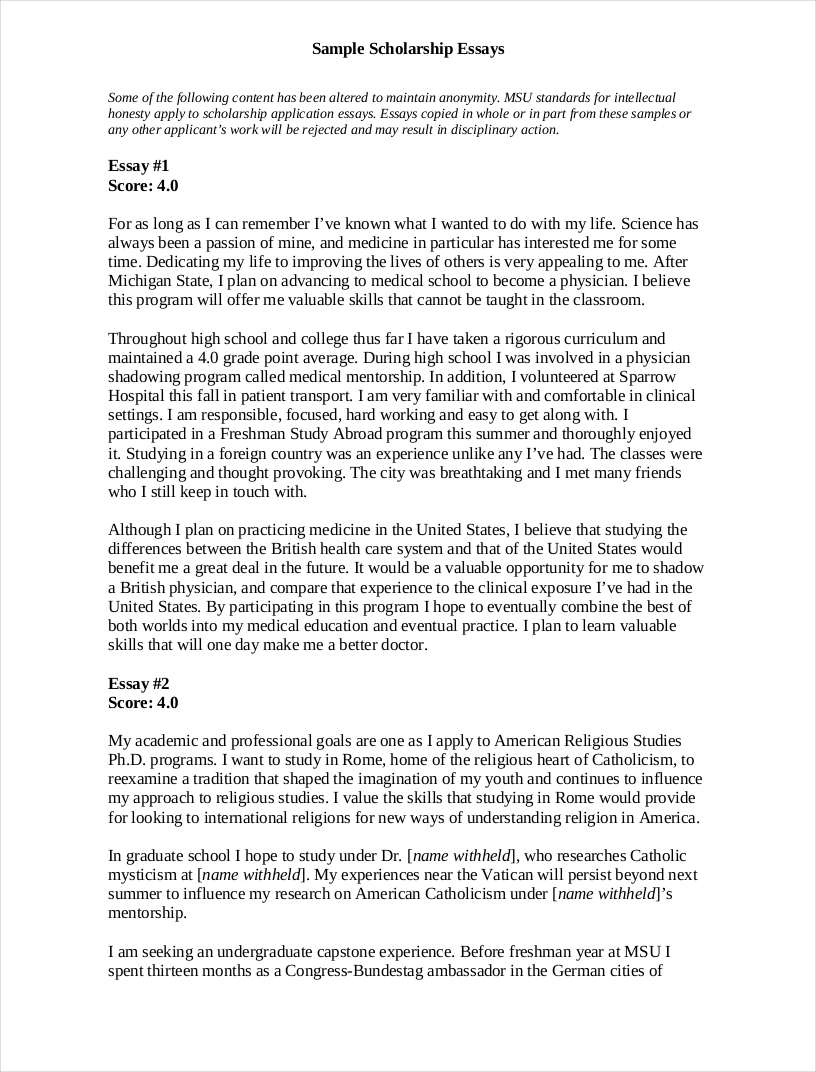
Step 3: Write a Strong Leadership Essay
Explain clearly:
-
Your leadership journey
-
What you achieved
-
Challenges you overcame
-
Impact you created
-
Your future leadership goals
Step 4: Obtain Strong Recommendation Letters
Get referees who can speak about your leadership qualities and achievements.
Step 5: Apply Early
Don’t wait until the final deadline.
Step 6: Prepare for the Interview (if required)
Be confident, articulate your experiences, and show passion for leadership growth.
9. Tips to Win a Leadership Scholarship
1. Highlight Real Leadership Experiences
Scholarship committees want authentic stories, not exaggerated claims.
2. Show Impact with Numbers
Example:
-
“Led a team of 15 students to organize a community health outreach reaching 500 people.”
3. Demonstrate Initiative
Leadership isn’t only about holding positions. Show how you created change.
4. Connect Your Leadership Goals to the Scholarship’s Vision
Explain how the award will help you improve your community or industry.
5. Maintain Strong Academic Records
Leadership + good grades = strong candidate.
6. Create a Clean, Professional Leadership CV
List positions, accomplishments, and measurable outcomes.
7. Choose the Right Recommenders
Pick people who know your leadership style well—not just high-ranking officials.
10. Benefits of Earning a Leadership Scholarship
-
Financial relief on educational expenses
-
Major boost to academic and professional profile
-
Access to leadership training and mentorship
-
Opportunities for international travel, conferences, and fellowships
-
Expanded networks with other high-achieving young leaders
-
Better job prospects and competitive edge
-
Motivation to continue community service and innovation
11. Conclusion
A Leadership Scholarship is not just an award—it is an investment in your potential to inspire and influence the world. Whether you are a student leader, community volunteer, innovator, or activist, these scholarships provide the resources and recognition you need to advance your goals.