
Introduction
The automotive industry is one of the most essential sectors in modern society, and understanding What Does an Auto Mechanic Do helps highlight the critical role these professionals play. Every day, millions of vehicles move across roads worldwide, transporting people, goods, and services. Ensuring the safety, reliability, and efficiency of these vehicles depends heavily on skilled auto mechanics who keep them running smoothly.
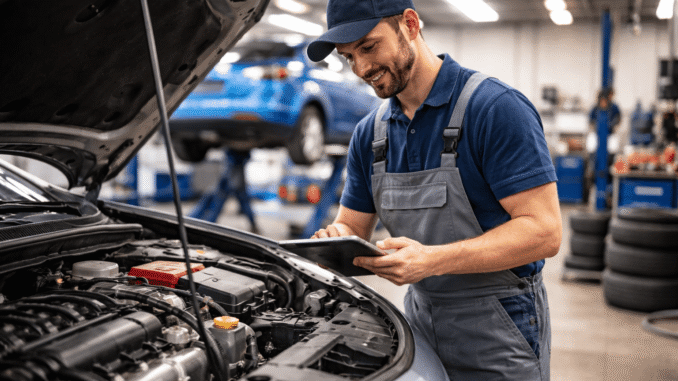
So, What Does an Auto Mechanic Do? An auto mechanic—also known as an automotive technician—is responsible for diagnosing, repairing, and maintaining vehicles. Their work involves handling complex mechanical systems, electrical components, and advanced computerized diagnostics. Modern vehicles are increasingly technology-driven, meaning today’s mechanics must combine traditional hands-on skills with digital expertise.
Beyond technical work, What Does an Auto Mechanic Do also includes problem-solving, communicating with customers, and staying updated with evolving automotive technologies. Mechanics must accurately identify issues, explain them clearly to clients, and recommend effective solutions. This makes communication and critical thinking just as important as technical ability.
In practice, What Does an Auto Mechanic Do covers a wide range of responsibilities, including routine maintenance (such as oil changes and brake checks), detailed diagnostics, complex repairs, and customer service. They may work in repair shops, dealerships, service centers, or even operate their own businesses.
This comprehensive guide explores What Does an Auto Mechanic Do in depth—covering daily responsibilities, essential skills, education and training pathways, work environments, salary expectations, career advancement opportunities, industry challenges, and future trends shaping the automotive profession.
1. Who Is an Auto Mechanic?
An auto mechanic is a trained professional who specializes in the inspection, maintenance, and repair of vehicles. These professionals work on various types of automobiles, including:
- Cars
- Vans
- SUVs
- Light trucks
- Heavy-duty vehicles (in specialized roles)
Auto mechanics are essential because they ensure that vehicles remain safe, reliable, and efficient. Without them, transportation systems would become unreliable and hazardous.
In simple terms, auto mechanics are the “doctors” of vehicles—they diagnose problems, prescribe solutions, and perform repairs.
2. Core Responsibilities of an Auto Mechanic
Auto mechanics perform a wide range of duties that can be categorized into several key areas.
2.1 Vehicle Inspection and Diagnosis
One of the most critical responsibilities is diagnosing vehicle problems. Mechanics use both manual inspection and computerized diagnostic tools to identify issues.
Key tasks include:
- Inspecting engine components
- Running diagnostic tests
- Identifying warning signs and error codes
- Testing vehicle performance
Mechanics must accurately determine the root cause of a problem before performing repairs.
2.2 Routine Maintenance
Routine maintenance is essential to prevent breakdowns and extend vehicle lifespan.
Typical maintenance tasks include:
- Oil changes
- Fluid checks and replacements
- Brake inspections
- Tire rotation and replacement
- Battery testing
Regular maintenance ensures that vehicles operate efficiently and safely.
2.3 Repair Work
Auto mechanics repair a wide range of vehicle systems, including:
- Engines
- Transmission systems
- Brake systems
- Suspension systems
- Electrical systems
They may replace worn-out parts, fix damaged components, or rebuild entire systems.
2.4 Electrical and Computer System Repairs
Modern vehicles rely heavily on electronic systems. Mechanics must understand:
- Engine control units (ECUs)
- Sensors and wiring
- Onboard diagnostics (OBD systems)
They often update or repair computerized systems when issues arise.
2.5 Customer Communication
Auto mechanics frequently interact with customers. Their responsibilities include:
- Explaining vehicle issues
- Providing repair estimates
- Advising on maintenance schedules
- Answering customer questions
Good communication builds trust and ensures customer satisfaction.
2.6 Record Keeping
Mechanics maintain detailed records of:
- Repairs performed
- Parts used
- Costs
- Maintenance history
Accurate records help track vehicle performance and support future repairs.
2.7 Tool and Equipment Maintenance
Mechanics must ensure that their tools and equipment are:
- Clean
- Functional
- Properly stored
This helps maintain efficiency and safety in the workplace.
3. Types of Auto Mechanics: What Does an Auto Mechanic Do
To fully understand What Does an Auto Mechanic Do, it’s important to know that this career is not limited to one type of work. Auto mechanics often specialize in specific areas based on their interests, training, and level of expertise. These specializations allow mechanics to develop deeper knowledge, increase their earning potential, and work on more complex or high-demand systems.
3.1 General Auto Mechanics
When exploring What Does an Auto Mechanic Do, general auto mechanics are the most common type. They handle a wide variety of routine maintenance and repair tasks, including oil changes, brake replacements, engine diagnostics, tire services, and basic electrical fixes. These professionals are highly versatile and are typically the first point of contact in most repair shops.
3.2 Diesel Mechanics
Another important area within What Does an Auto Mechanic Do is diesel mechanics. These specialists work on diesel-powered engines found in trucks, buses, agricultural equipment, and heavy machinery. Diesel engines are more complex and durable than standard gasoline engines, requiring specialized training and tools. This field often offers strong job stability due to high demand in transportation and logistics.
3.3 Auto Body Technicians
Auto body technicians focus on the physical structure and appearance of vehicles. Understanding this role is essential when discussing What Does an Auto Mechanic Do, as it goes beyond mechanical systems. These professionals repair dents, collision damage, and structural issues, as well as repaint vehicles to restore their original look. Their work combines technical skill with attention to detail and craftsmanship.
3.4 Brake and Transmission Specialists
Some mechanics choose to specialize in specific vehicle systems. In the context of What Does an Auto Mechanic Do, brake and transmission specialists focus on critical components that directly affect vehicle safety and performance. They diagnose and repair braking systems, gearboxes, clutches, and transmission units—areas that require precision and advanced technical knowledge.
3.5 Electrical System Technicians
Modern vehicles rely heavily on electronics, making electrical system technicians increasingly important. A key part of What Does an Auto Mechanic Do today involves diagnosing and repairing electronic systems such as sensors, onboard computers, wiring, and infotainment systems. These specialists use advanced diagnostic tools and software, making this one of the fastest-growing areas in the automotive field.
By understanding these different specializations, you gain a clearer picture of What Does an Auto Mechanic Do and how diverse the profession truly is. Each path offers unique opportunities for growth, specialization, and long-term career success.
4. Skills Required to Become an Auto Mechanic
To succeed in this profession, mechanics need both technical and soft skills.
4.1 Technical Skills
- Mechanical knowledge
- Diagnostic ability
- Tool proficiency
- Understanding of vehicle systems
Mechanics must be able to use diagnostic equipment effectively.
4.2 Problem-Solving Skills
Mechanics must:
- Identify issues quickly
- Analyze complex systems
- Develop effective solutions
4.3 Physical Skills
The job is physically demanding and requires:
- Strength
- Stamina
- Hand-eye coordination
4.4 Communication Skills
Mechanics must explain technical issues in simple terms.
4.5 Customer Service Skills
Good customer service improves client satisfaction and business reputation.
5. Educational Requirements
5.1 High School Education
A high school diploma is typically required.
Relevant subjects include:
- Mathematics
- Physics
- Technical drawing
5.2 Vocational Training
Vocational schools offer specialized training in:
- Automotive technology
- Engine repair
- Diagnostics
These programs prepare students for entry-level roles.
5.3 Apprenticeships
Apprenticeships provide hands-on experience under experienced mechanics.
- Usually last 1–2 years
- Combine training and real work
5.4 Certifications
Certifications enhance credibility and career prospects.
The most recognized certification is:
- ASE (Automotive Service Excellence)
Mechanics can earn multiple certifications in different specialties.
6. Work Environment
Auto mechanics typically work in:
- Repair shops
- Dealerships
- Service centers
- Fleet maintenance facilities
Their work environment includes:
- Use of heavy tools
- Exposure to grease and chemicals
- Standing for long hours
Mechanics often work full-time and may work weekends.
7. Tools and Equipment Used
Auto mechanics use various tools, including:
- Wrenches and screwdrivers
- Diagnostic scanners
- Hydraulic lifts
- Power tools
Modern tools include computerized diagnostic systems.
8. Salary and Job Outlook
Auto mechanic salaries vary based on:
- Experience
- Location
- Certifications
- Specialization
The average salary is around $62,856 per year, though this varies widely.
9. Career Advancement Opportunities
Auto mechanics can advance to:
- Senior technician
- Master mechanic
- Shop supervisor
- Service manager
- Business owner
Continuous learning is essential for advancement.
10. Challenges of Being an Auto Mechanic
Common challenges include:
- Physical demands
- Exposure to hazardous materials
- Rapid technological changes
- Customer expectations
Despite challenges, the career can be rewarding.
11. Benefits of the Profession
Advantages include:
- Job stability
- High demand
- Opportunities for specialization
- Hands-on work
12. Future of the Auto Mechanic Profession
The industry is evolving due to:
- Electric vehicles (EVs)
- Hybrid technology
- Advanced diagnostics
- Automation
Mechanics must adapt to new technologies.
13. How to Become an Auto Mechanic (Step-by-Step): What Does an Auto Mechanic Do
If you’re exploring What Does an Auto Mechanic Do, understanding the path to entering and advancing in this career is essential. Becoming a skilled auto mechanic requires a mix of education, hands-on training, and continuous skill development. Below is a detailed step-by-step guide to help you get started and grow in the profession.
Step 1: Earn a High School Diploma
The first step in learning What Does an Auto Mechanic Do is completing your basic education. A high school diploma (or equivalent) provides foundational knowledge in subjects like mathematics, physics, and basic technology. These subjects are important for understanding how vehicles function and how to diagnose mechanical problems.
Step 2: Attend Vocational Training
To build technical skills, enroll in a vocational or technical training program. This stage is critical in understanding What Does an Auto Mechanic Do because it introduces you to engine systems, electrical components, diagnostics, and repair techniques. Many programs also provide hands-on workshops where you can practice using tools and equipment.
Step 3: Complete an Apprenticeship
An apprenticeship allows you to gain real-world experience under the supervision of experienced professionals. At this stage of learning What Does an Auto Mechanic Do, you’ll apply your knowledge in actual repair environments, work with customers, and learn industry best practices. Apprenticeships typically last 1–3 years and are essential for building confidence and competence.
Step 4: Gain Certifications
Certifications help validate your skills and increase your employability. As you deepen your understanding of What Does an Auto Mechanic Do, earning certifications in areas like engine repair, brakes, or electrical systems can set you apart from other candidates. Employers often prefer certified mechanics because it demonstrates professionalism and technical expertise.
Step 5: Gain Practical Experience
Experience is key to mastering What Does an Auto Mechanic Do. Working in different environments—such as repair shops, dealerships, or service centers—helps you develop problem-solving skills and adapt to various vehicle types and issues. The more exposure you have, the more efficient and knowledgeable you become.
Step 6: Advance to Master Mechanic
The final stage in your journey of What Does an Auto Mechanic Do is becoming a master mechanic. This level requires years of experience, advanced certifications, and a deep understanding of complex automotive systems. Master mechanics often handle the most challenging repairs, supervise other technicians, and may even manage workshops or run their own businesses.
By following these steps, anyone interested in What Does an Auto Mechanic Do can build a strong foundation, develop specialized skills, and progress toward a successful and long-term career in the automotive industry.
14. A Day in the Life of an Auto Mechanic
A typical day includes:
- Inspecting vehicles
- Diagnosing issues
- Performing repairs
- Communicating with customers
- Maintaining tools
15. Is Auto Mechanics a Good Career?
Yes, it is a good career for individuals who:
- Enjoy working with their hands
- Like solving problems
- Are interested in vehicles
Conclusion
Auto mechanics play a vital role in keeping vehicles safe and functional. Their work involves a combination of technical expertise, problem-solving, and customer interaction. With the continuous advancement of automotive technology, this profession offers numerous opportunities for growth and specialization.
Whether you are considering becoming an auto mechanic or simply want to understand what they do, this career offers a rewarding path for individuals passionate about vehicles and hands-on work.
Leave a Reply